In long-running research by Flinders University and Victoria Police experts, forensic scientists have confirmed that cats and dogs can pick up, carry and redistribute human DNA in ways that may help investigators reconstruct movements, interactions and even potential links between suspects and crime scenes.
Heidi Monkman, PhD student from Flinders University’s College of Science and Engineering, with Dr Roland van Oorschot from the Victoria Police Forensic Services Department and Luke Volgin from the Forensic Science South Australia, are breaking new ground with their research on animal-mediated human DNA transfer.
‘Dogs and cats are present in the majority of households worldwide, and they routinely interact with multiple people and environments. Our findings show that dogs and cats can act as intermediaries in human DNA transfer, which has significant implications for case work where animals are present,’ says Monkman, a coauthor of several forensic DNA science articles on the topic.
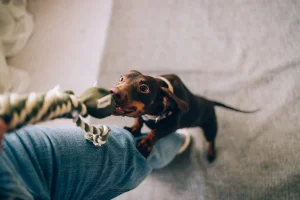
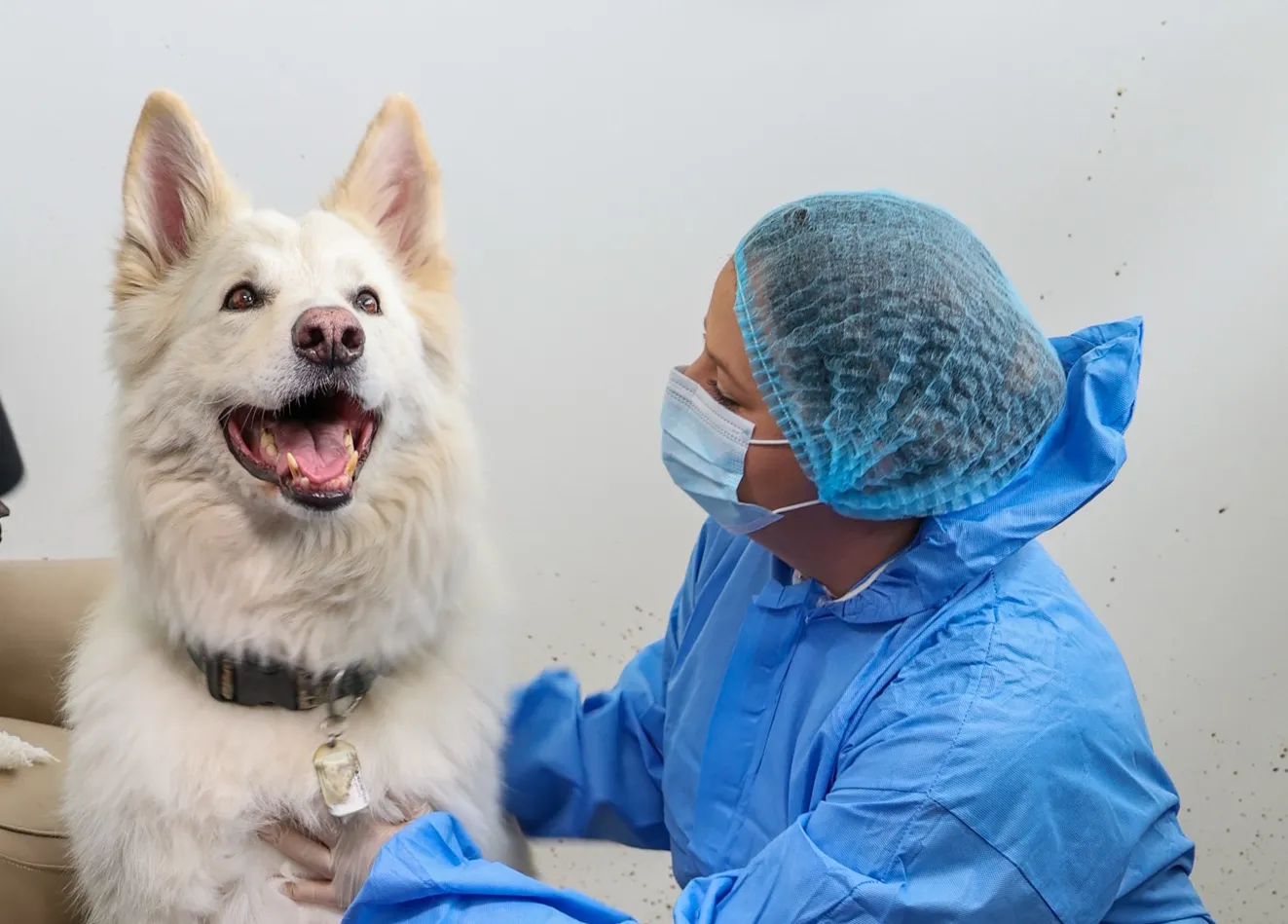
The research discovered that even short contact between pets and people of interest, including potential offenders, leaves detectable traces of human DNA on pets. It also found cats and dogs carry and spread human DNA as they move around a home or to other locations, transferring it from one surface to another.
‘We are exploring the potential for cats and dogs to be silent witnesses; to act as vectors of contamination and transfer at residential crime scenes,’ says Monkman.
Image: Heidi Monkman in the Flinders Crime Lab. Images courtesy of Flinders University